
As the last traces of winter melt away, I get that irresistible urge to dig my hands into the soil and bring life back to my landscape. Spring and summer are the most active seasons for gardening—when flowers bloom, vegetables flourish, and lawns wake up in full color. To get the most out of your garden during these vibrant months, it’s crucial to give your plants the support they need. That’s where mulch, fertilizer, and a few other essentials come into play.
Affiliate Disclosure:
Some of the links on this site are affiliate links, which means I may earn a small commission if you make a purchase through them—at no additional cost to you. I only recommend products I genuinely love and believe will add value to your life. As an Amazon Associate and participant in other affiliate programs, I earn from qualifying purchases.
1. Mulch: Nature’s Blanket for Your Garden
Mulching is one of the simplest and most effective ways to nurture your garden. Think of it as a protective layer that keeps your soil—and your plants—comfortable throughout the growing season.
Why mulch matters:
- Moisture retention: As temperatures rise, water evaporates faster. Mulch helps lock in moisture, reducing the need for frequent watering.
- Weed suppression: A thick layer of mulch blocks sunlight from reaching weed seeds, preventing them from sprouting.
- Temperature regulation: It insulates soil, keeping roots cooler during scorching summer days and warmer during chilly spring nights.
- Soil improvement: Organic mulches break down over time, enriching the soil with nutrients and improving its structure.
Pro tip: Use organic options like shredded bark, straw, compost, or even grass clippings. Apply 2–3 inches around your plants, but keep it a few inches away from stems and trunks to prevent rot.
2. Fertilizer: Fuel for Growth
While your soil may have some natural nutrients, plants in their peak growing seasons are hungry. Fertilizer gives them a balanced diet, helping them bloom brighter and yield more produce.
Key benefits of fertilizing:
- Boosts plant health: Balanced nutrients improve root development, leaf growth, and overall plant vigor.
- Encourages blooms and fruiting: Specific formulations help flowering plants and vegetables produce more buds and fruit.
- Corrects deficiencies: Yellowing leaves or stunted growth may signal nutrient deficiencies that a good fertilizer can remedy.
Choosing the right fertilizer:
- Granular vs. liquid: Granular fertilizers offer slow, steady feeding; liquid fertilizers act fast and are great for a quick boost.
- Organic options: Consider compost, fish emulsion, or manure-based products for a natural approach.
Always follow package instructions and avoid over-fertilizing, which can harm plants and pollute groundwater.
3. Compost: The Garden’s Gold
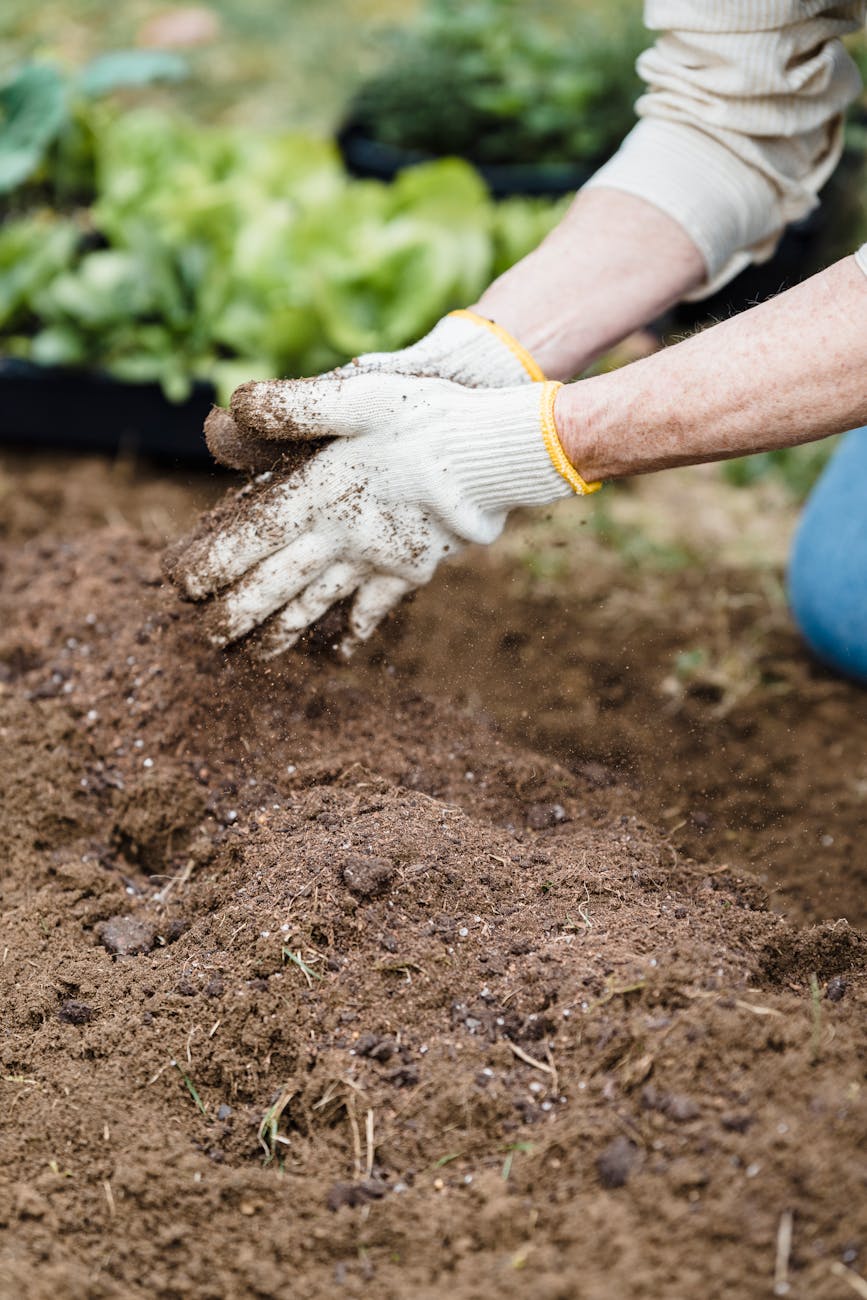
In addition to store-bought fertilizers, compost is an all-natural way to enrich your garden. Rich in nutrients and beneficial microbes, compost improves soil structure, promotes drainage, and encourages root growth.
Simple composting tips:
- Include vegetable scraps, coffee grounds, eggshells, and yard waste.
- Avoid meat, dairy, and oily foods.
- Turn your compost regularly and keep it moist (but not soggy).
By adding compost to your soil in early spring and refreshing it during the summer, you create a vibrant ecosystem right beneath the surface.
4. Watering Wisely
As heat intensifies, efficient watering becomes crucial. Deep, less frequent watering encourages roots to grow deeper, making plants more drought-resistant.
Watering best practices:
- Water early in the morning or late in the evening to minimize evaporation.
- Use drip irrigation or soaker hoses for targeted, efficient watering.
- Water at the roots as opposed to overhead. This will allow for more efficient watering, and will protect the leaves from disease and/or sun scorch.
5. A Little Planning Goes a Long Way
Spring and summer gardening thrive on thoughtful timing. Start by knowing your local planting zone and frost dates. Begin planting cool-season crops and flowers in early spring, and shift to heat-loving varieties as the season progresses.
Keep a garden journal to track what works (and what doesn’t), and rotate your crops to avoid soil-borne diseases.
Final Thoughts
Spring and summer are a gardener’s paradise—but thriving gardens don’t happen by accident. With a bit of preparation, the right use of mulch, fertilizer, and compost, and attention to watering, your garden will reward you with lush blooms, healthy produce, and the satisfaction of watching life grow. So grab your gloves, mulch that bed, and let your garden thrive through the seasons!
 Heather's Nest
Leave a comment